
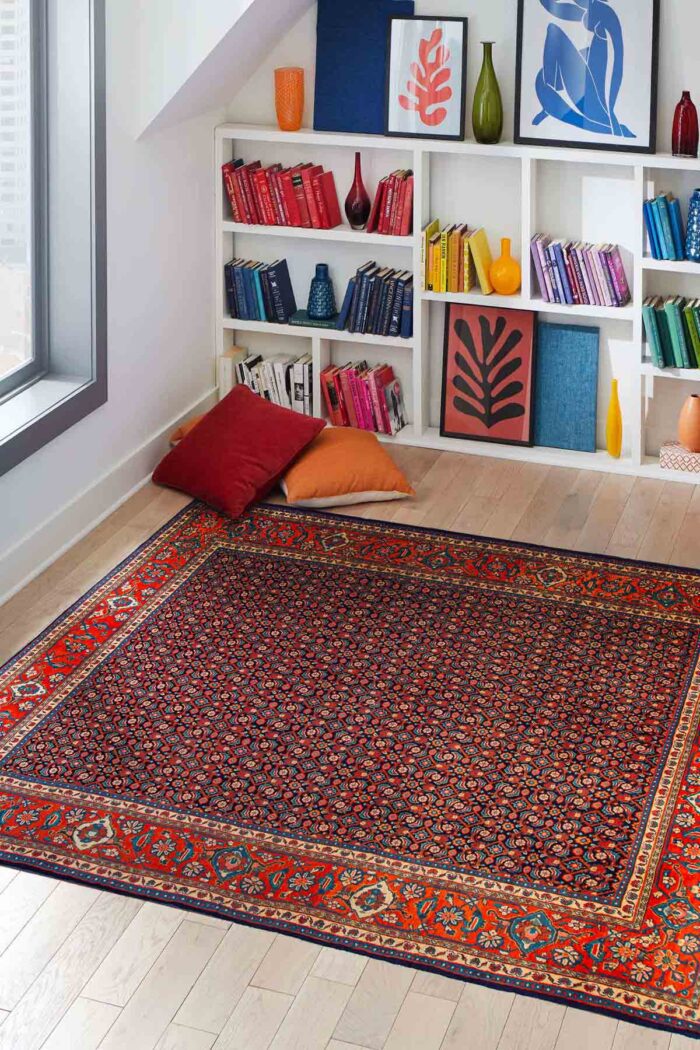
persian carpets in Dubai what to know guide for buyers
Persian carpets are among the most historically significant textile arts in the world. Known for their intricate craftsmanship, cultural symbolism, and durability, these carpets represent centuries of artistic and technical evolution. Their designs often reflect regional identities, historical storytelling, and traditional weaving knowledge passed down through generations.
In modern interiors, persian carpets in Dubai continue to hold relevance not only for their beauty but also for their functional benefits. Understanding their history, materials, and construction methods helps individuals appreciate their cultural depth and practical value. This guide explores essential knowledge about Persian carpets, helping readers understand how they are made, what defines authenticity, and how environmental factors influence their longevity.
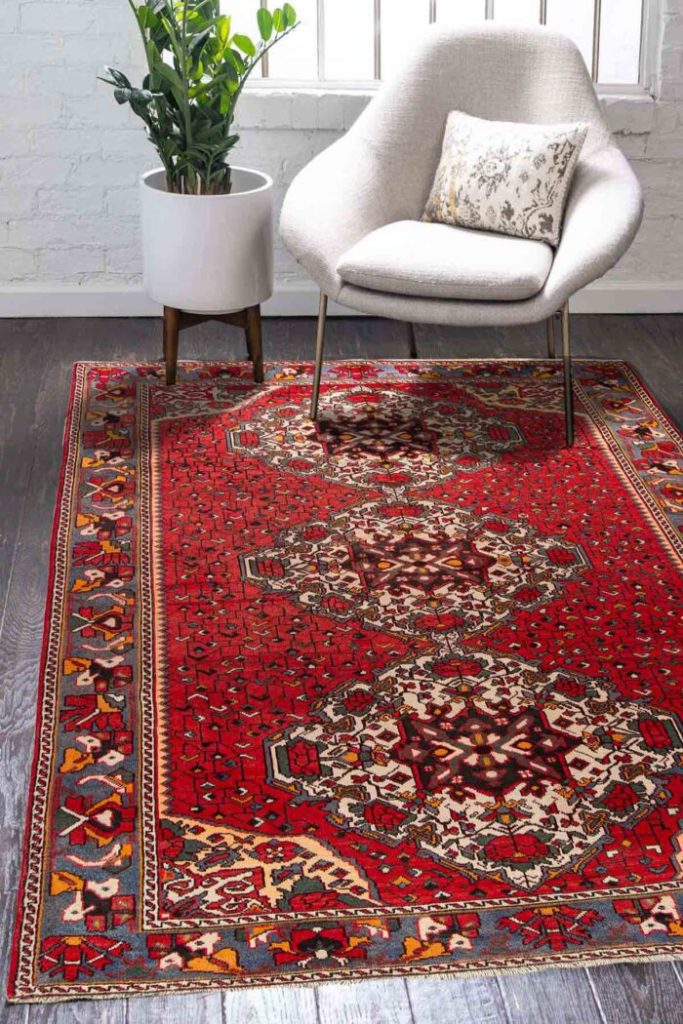
How traditional Persian carpet weaving techniques developed across regions and centuries of craftsmanship evolution
Persian carpet weaving dates back more than 2,500 years, with early examples found in ancient civilizations across Persia. Over centuries, weaving techniques evolved based on geography, available materials, and cultural influences.
Different regions developed unique styles:
- Tabriz: Known for fine knot density and detailed floral patterns
- Isfahan: Famous for symmetrical layouts and silk highlights
- Kashan: Recognized for medallion-centered designs
- Heriz: Features bold geometric patterns
Weaving was historically done on vertical looms inside homes or workshops. Artisans memorized complex patterns rather than following printed guides, which made each piece unique. Today, many traditional methods remain unchanged, preserving cultural heritage.
Modern interest in persian carpets in dubai often reflects appreciation for this historical continuity and handcrafted authenticity.
What materials are commonly used in authentic Persian carpets and how they impact durability and texture
Authentic Persian carpets typically use natural materials that influence feel, lifespan, and appearance.
Common materials include:
- Wool: Most common material; durable and naturally stain resistant
- Silk: Extremely fine and smooth; used in detailed decorative carpets
- Cotton: Often used as foundation threads for structure
Material choice affects performance:
- Wool provides warmth and resilience
- Silk adds visual brilliance and softness
- Cotton improves structural strength
Natural fibers also age differently. Wool carpets often develop a softer sheen over time, while silk carpets maintain vibrant detail but require more careful maintenance.
How to identify genuine hand-knotted Persian carpets versus machine-made alternatives in modern markets
Identifying authentic hand-knotted carpets requires attention to several structural clues.
Key identification factors:
- Back Pattern Visibility
Hand-knotted carpets show clear design patterns on the backside. - Knot Irregularities
Handmade carpets often have slight imperfections, indicating human craftsmanship. - Fringe Integration
In authentic carpets, fringes are part of the foundation, not sewn on. - Weight and Density
Hand-knotted carpets usually feel heavier and denser.
Machine-made carpets typically have uniform backing and synthetic fibers. While visually appealing, they lack the structural depth of handmade pieces.
Cultural symbolism found in Persian carpet patterns and what different motifs historically represent
Persian carpet patterns are not random decorative choices. They often contain symbolic storytelling elements rooted in history and belief systems.
Common symbolic motifs include:
- Tree of Life: Represents immortality and spiritual connection
- Medallions: Symbolize unity and cosmic harmony
- Floral Patterns: Represent paradise and natural beauty
- Animal Motifs: Reflect protection, power, or fertility
These symbols historically communicated regional identity, family heritage, and even spiritual narratives.
Color symbolism is also important:
- Red represents prosperity and courage
- Blue symbolizes solitude and spirituality
- Ivory reflects purity and elegance
How climate and indoor environments influence carpet longevity and long-term maintenance requirements
Environmental conditions play a major role in carpet lifespan. Climate, humidity, and sunlight exposure directly impact fiber health and dye stability.
For example, areas with strong sunlight require careful placement of carpets to prevent color fading. This is especially relevant when using decorative pieces like green carpet dubai styles, which rely on color vibrancy for visual impact.
Environmental protection tips:
- Rotate carpets every 6 months
- Use window coverings to reduce UV exposure
- Maintain indoor humidity between 40–60%
- Avoid placing carpets in high-moisture zones
Regular maintenance prevents fiber brittleness and preserves structural strength over decades.
Differences between silk, wool, and blended Persian carpets and how each affects comfort and appearance
Each fiber type offers unique functional and aesthetic characteristics.
Silk Carpets
- Extremely soft texture
- High design detail capability
- More sensitive to moisture and heavy use
Wool Carpets
- Highly durable
- Naturally insulating
- Easier to maintain
Blended Fiber Carpets
- Balance of durability and design detail
- Often more affordable to produce
- May combine silk highlights with wool base
Natural fiber carpets are increasingly studied alongside sustainable options like hemp carpets for sale, which also emphasize eco-friendly durability and breathability.
Why knot density and weaving complexity influence artistic value and historical significance
Knot density refers to the number of knots per square inch. Higher density allows more intricate patterns and finer artistic detail.
General density categories:
- Low Density: 80–120 knots per square inch
- Medium Density: 120–300 knots per square inch
- High Density: 300+ knots per square inch
Higher density carpets typically:
- Show sharper pattern details
- Require longer production time
- Represent higher technical skill levels
However, artistic value is not only about density. Historical context, regional style, and preservation condition also contribute to long-term significance.
Complex weaving may require months or years to complete, reflecting cultural dedication to textile artistry.
Conclusion
Persian carpets represent more than decorative floor coverings. They embody history, craftsmanship, and cultural storytelling through materials, symbols, and weaving techniques. Understanding how materials influence durability, how knot density affects artistry, and how environmental factors impact longevity allows individuals to appreciate these carpets beyond surface appearance.
As global design trends continue to blend tradition with modern sustainability, Persian carpets remain a strong example of functional art that bridges past and present craftsmanship.
FAQs
What makes Persian carpets historically valuable across different cultures?
Their craftsmanship, symbolic storytelling, and long lifespan contribute to cultural and historical significance.
How long can a traditional Persian carpet typically last with proper care?
High-quality hand-knotted Persian carpets can last 50–100 years or longer with proper maintenance.
What are the most common Persian carpet design styles and origins?
Common styles include Tabriz floral patterns, Kashan medallion designs, and Heriz geometric motifs.
How are natural dyes traditionally produced for Persian carpets?
Natural dyes are extracted from plants, insects, and minerals, then carefully processed for color consistency.
What maintenance routine helps preserve antique carpet quality?
Regular vacuuming, professional cleaning every few years, rotation, and protection from sunlight help preserve quality.
