
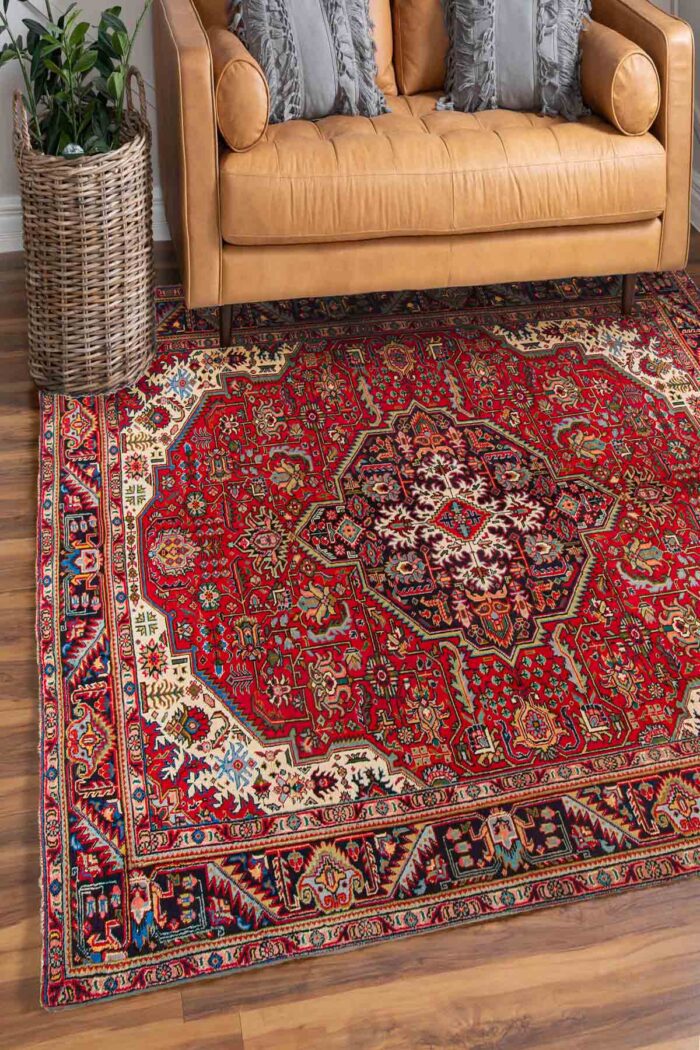
persian rugs in Dubai history, styles, and cultural meaning
Persian rugs are widely recognized as some of the most influential textile creations in global decorative arts. Their history reflects thousands of years of craftsmanship, artistic storytelling, and technical innovation. Each rug often represents regional weaving traditions, natural material mastery, and cultural identity preserved through generations.
Today, Persian rugs continue to play a meaningful role in interior design, historical preservation, and textile education. Understanding how they differ from other rug traditions, how natural fibers influence performance, and how weaving methods shape durability helps readers appreciate them beyond visual appeal. This guide explores the historical evolution, technical features, and cultural importance of Persian rugs in depth.
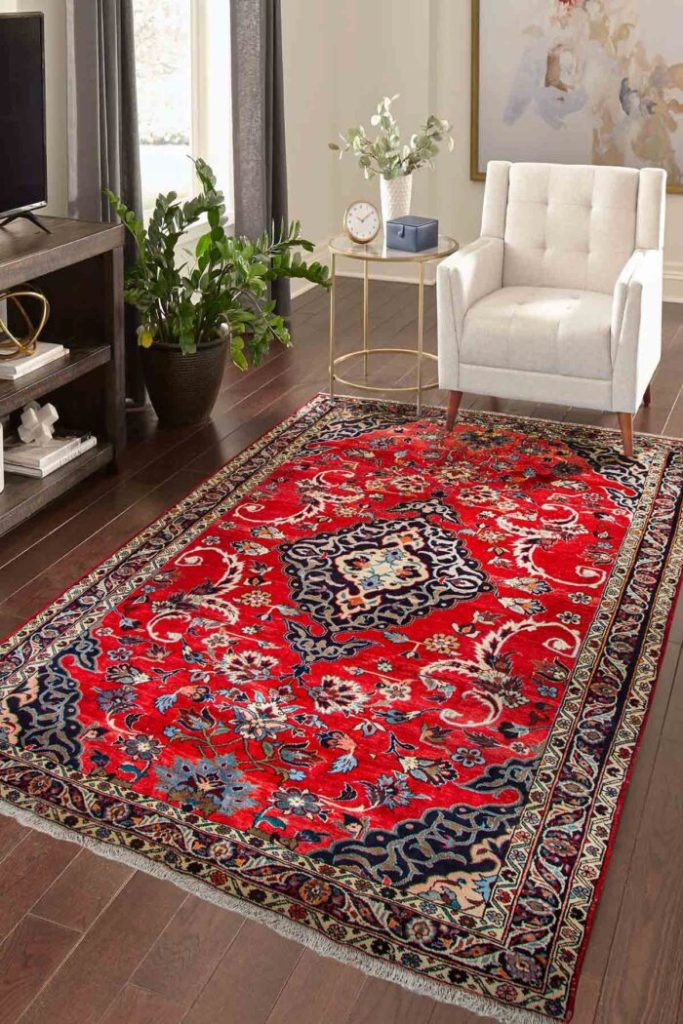
How Persian rug weaving traditions spread through trade routes and influenced global textile craftsmanship
Persian rug weaving expanded globally through ancient trade networks connecting Asia, the Middle East, and Europe. Merchants transported rugs across continents, spreading both artistic inspiration and technical knowledge.
Key historical influences include:
- Silk Road trade routes connecting Persia to China and Europe
- Cultural exchanges introducing new dyeing techniques
- Royal patronage encouraging advanced weaving complexity
As rugs moved across regions, local artisans adapted Persian techniques into their own textile traditions. This exchange helped shape global rug production standards and artistic expectations.
Interest in traditional weaving remains strong today, especially when studying historical craftsmanship and modern appreciation for persian rugs in dubai as part of global textile culture.
What distinguishes Persian rugs from other regional rugs in terms of structure, weaving, and symbolism
Persian rugs differ from many other regional rugs due to their technical structure and symbolic storytelling.
Structural differences:
- Typically hand-knotted rather than hand-tufted
- Use asymmetric or symmetric knotting techniques
- Often include cotton or silk foundation threads
Design differences:
- Highly detailed floral or medallion layouts
- Balanced symmetry and pattern repetition
- Use of natural dyes for color depth
Symbolism is another major distinction. Persian rugs frequently represent philosophical or spiritual concepts through design elements.
How regional cities in Iran influenced unique rug patterns, colors, and storytelling traditions
Different Iranian regions shaped distinct rug identities. Climate, cultural history, and local materials influenced design development.
Examples include:
- Tabriz: Fine, highly detailed weaving styles
- Isfahan: Elegant floral layouts with silk highlights
- Kerman: Complex narrative scenes and vibrant color use
- Heriz: Bold geometric structure and strong durability
Regional identity often determined color palettes, knot density, and artistic storytelling elements. These differences allow textile historians to identify rug origins with surprising accuracy.
Why natural fiber rugs like jute and sisal became popular in modern interior design and sustainable homes
Modern design trends emphasize sustainability and natural materials. Natural fiber rugs have gained popularity because they combine durability with environmental responsibility.
Reasons for increased demand:
- Renewable plant-based materials
- Breathable fiber structure
- Minimal chemical processing requirements
- Compatibility with modern minimalist interiors
Natural fiber rugs such as jute carpet dubai styles are often studied alongside Persian rugs when discussing natural textile performance and eco-conscious interior design choices.
Sustainability interest has also increased research into biodegradable textile fibers and long-term environmental impact.
How rug pile height and knot techniques influence softness, durability, and insulation properties
Pile height refers to the thickness of the carpet surface fibers. Combined with knot technique, it determines comfort, durability, and insulation ability.
Low Pile Rugs:
- Easier to clean
- More durable for high-traffic areas
- Less insulation
Medium Pile Rugs:
- Balanced softness and durability
- Common in living spaces
High Pile Rugs:
- Maximum softness and comfort
- Higher insulation properties
- Require more maintenance
Knot structure also affects performance. Tighter knots create stronger, longer-lasting rugs but require more time to produce.
What environmental factors affect natural fiber rugs and how to protect them from moisture and sunlight
Natural fiber rugs are sensitive to environmental exposure. Moisture and UV light can weaken fibers and fade natural dyes over time.
Protective strategies include:
- Maintaining controlled indoor humidity
- Avoiding direct sunlight exposure
- Using rug pads for airflow beneath carpets
- Rotating rugs periodically
Environmental awareness also applies to natural flooring textiles like sisal carpets dubai, which share similar care requirements related to moisture and sunlight protection.
Proper environmental management significantly increases textile lifespan and preserves visual quality.
How traditional rug artistry connects to modern interior design trends and cultural appreciation
Modern interior design often blends traditional craftsmanship with contemporary aesthetics. Persian rugs are frequently used to add cultural depth and visual contrast to modern spaces.
Common design integrations include:
- Minimalist rooms paired with detailed heritage rugs
- Neutral interiors enhanced by traditional color palettes
- Mixing modern furniture with classic textile elements
Cultural appreciation has also increased interest in artisan-made products. Many homeowners and designers now prioritize historical authenticity and handmade craftsmanship when selecting textiles.
Persian rugs continue to represent a bridge between historical tradition and modern design expression.
Conclusion
Persian rugs remain one of the most respected forms of textile art due to their historical significance, technical craftsmanship, and cultural storytelling. From trade route expansion to modern sustainability trends, these rugs have adapted while preserving traditional artistry.
Understanding fiber materials, knot density, environmental care, and regional weaving history helps individuals appreciate Persian rugs as both functional textiles and historical artifacts. Their influence continues to shape global textile standards and interior design philosophy.
FAQs
What is the difference between a Persian rug and a Persian carpet historically?
The terms are often used interchangeably, but traditionally carpets refer to larger floor coverings while rugs may describe smaller pieces.
How do weaving techniques affect rug durability and lifespan?
Hand-knotting typically produces stronger rugs that can last decades longer than machine-made alternatives.
What are the most recognized Persian rug weaving regions?
Tabriz, Isfahan, Kashan, Kerman, and Heriz are among the most historically recognized weaving regions.
How do natural fiber rugs compare to wool rugs in sustainability?
Plant-based fibers are renewable and biodegradable, while wool is natural but requires animal farming resources.
What is the historical significance of Persian rugs in Middle Eastern culture?
They represent artistic heritage, family tradition, and cultural storytelling passed down through generations.
