
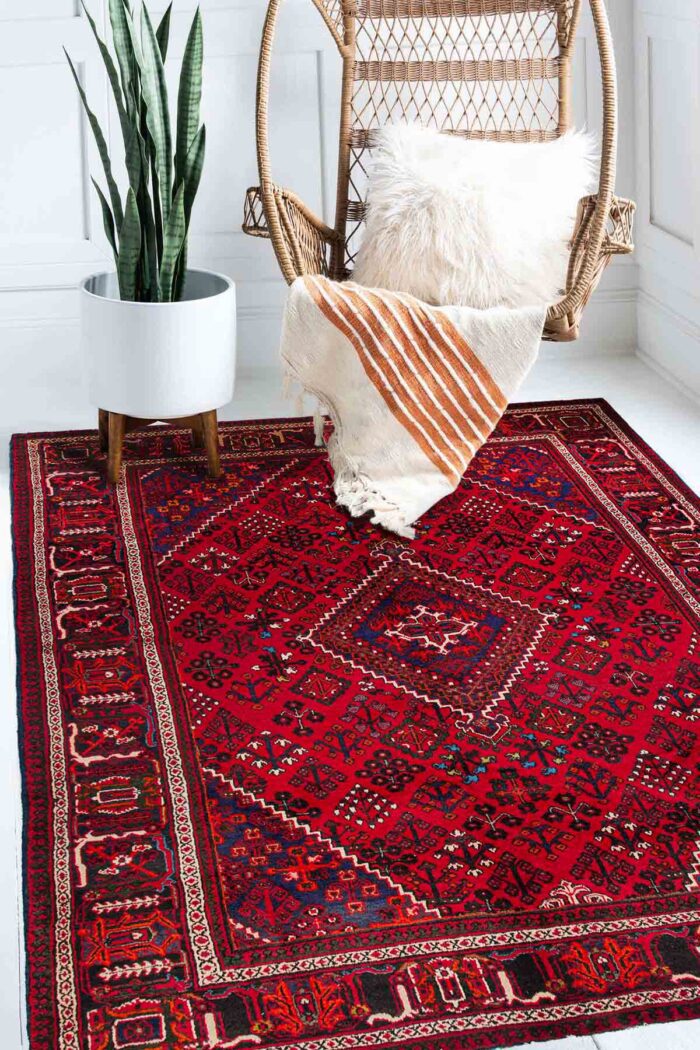
What Is a Persian Carpet and Why It Is So Valuable
Traditional handmade floor textiles have fascinated historians, designers, and homeowners for centuries. These pieces are more than decorative items—they represent culture, storytelling, craftsmanship, and technical mastery passed through generations. Their creation involves precise skill, patience, and deep knowledge of natural materials and artistic symbolism.
Understanding why these woven textiles are considered valuable requires looking beyond appearance. Factors such as historical relevance, raw material quality, artisan techniques, and long-term durability all contribute to their reputation. This article explores how these elements combine to create some of the most respected textile floor coverings in the world.
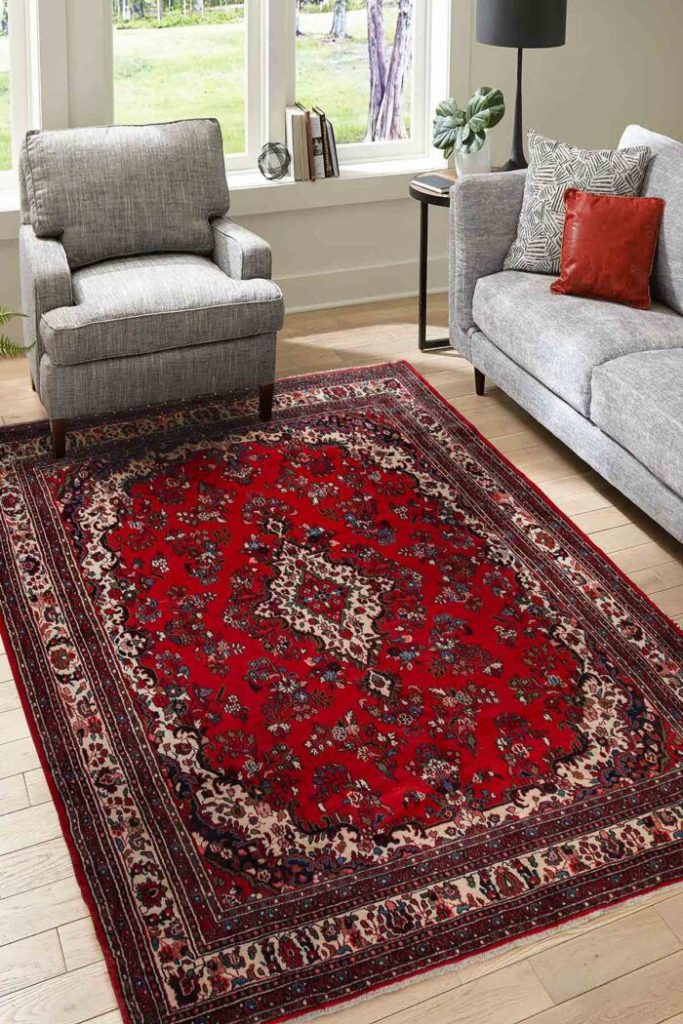
Understanding the historical origins and cultural symbolism in traditional handmade floor textiles across different regions and civilizations
Handmade woven textiles date back thousands of years and were originally created for insulation, protection, and storytelling. Early communities used natural fibers to create floor coverings that reflected local traditions, spiritual beliefs, and social status.
Cultural symbolism often appears through:
- Geometric shapes representing protection or unity
- Floral motifs symbolizing growth and prosperity
- Animal symbols reflecting strength, power, or spirituality
- Border patterns representing protection and continuity
Over time, weaving evolved from functional necessity into artistic expression. Families and communities began developing unique weaving identities. These identities helped historians trace trade routes, migration patterns, and cultural exchanges between civilizations.
Today, collectors and researchers study these patterns to better understand ancient societies and their artistic priorities.
How natural dyes, weaving methods, and knot density influence durability and long-term textile performance in home environments
Durability depends heavily on three major technical factors:
Natural Dye Quality
Natural dyes come from plants, minerals, and insects. Unlike synthetic dyes, they age gradually and often develop richer tones over time.
Weaving Method
Hand-knotting creates tighter, more stable structures than most machine processes. This allows the textile to withstand years of use without losing structure.
Knot Density
Higher knot density typically results in:
- Better detail clarity
- Increased durability
- Greater resistance to wear
When studying a persian carpet, experts often examine knot density first because it directly reflects craftsmanship level and expected lifespan.
The role of artisan craftsmanship and generational knowledge transfer in creating high-quality heritage floor pieces
Weaving knowledge is rarely learned from books alone. Most artisans learn through:
- Apprenticeship systems
- Family training traditions
- Community weaving schools
- Pattern memorization methods
Generational transfer ensures consistency in pattern accuracy and technical execution. Many weaving families specialize in specific motifs or weaving structures.
This continuity is important because handmade weaving requires:
- Hand tension control
- Pattern memory without digital guides
- Fiber behavior understanding
- Natural dye blending experience
Without these human skills, many historical weaving techniques would disappear.
Differences between hand-knotted, hand-tufted, and machine-made textile floor coverings and their practical uses
Each construction method serves different practical needs.
Hand-Knotted
- Highest durability
- Most detailed designs
- Longest production time
Hand-Tufted
- Faster production
- Moderate durability
- Good design flexibility
Machine-Made
- Fastest production
- Consistent patterns
- Lower labor intensity
Understanding construction type helps homeowners select floor textiles based on expected usage and environmental conditions.
How climate, humidity, and sunlight exposure impact natural fiber floor textiles over extended periods
Environmental factors significantly influence textile longevity.
Climate Effects
Dry climates help prevent mold growth but may dry out fibers if humidity becomes extremely low.
Humidity Effects
Excess humidity may cause:
- Fiber swelling
- Color bleeding
- Structural weakening
Sunlight Effects
Direct sunlight can:
- Fade natural dyes slowly
- Dry natural fibers
- Reduce long-term flexibility
Natural fiber products such as a coir mat often perform well in transitional indoor-outdoor areas because of their natural moisture resistance.
The meaning of traditional motifs, medallions, and border patterns used in heritage weaving traditions worldwide
Patterns are rarely random. Many traditional designs carry deep symbolic meanings.
Common symbolic categories include:
- Central medallions representing unity or divine connection
- Repeating floral motifs symbolizing growth cycles
- Protective borders representing spiritual or physical safety
- Directional patterns indicating movement or life journey
In many weaving cultures, pattern placement is just as important as pattern selection. The arrangement often tells a visual story that reflects community values.
How natural fiber floor coverings contribute to indoor comfort, insulation, and acoustic improvement in living spaces
Natural fibers offer several functional benefits beyond visual appeal.
Thermal Insulation
Natural fibers trap air pockets, helping maintain comfortable indoor temperatures.
Acoustic Absorption
Dense weaving structures help reduce echo and sound reflection.
Air Quality Support
Natural fibers can trap dust particles, helping reduce airborne irritants when properly maintained.
Modern natural fiber options, including a sisal carpet uae, are often studied for their balance between durability and environmental sustainability.
Conclusion
Traditional handmade floor textiles represent the intersection of history, science, and art. Their value comes from craftsmanship, natural material quality, cultural symbolism, and structural durability. Understanding these elements helps people appreciate the technical and artistic complexity behind each woven piece.
As global interest in heritage craftsmanship grows, these textile traditions continue to influence modern interior design while preserving historical knowledge.
FAQs
What materials are traditionally used in handmade heritage floor textiles?
Common materials include wool, silk, cotton, and plant-based fibers. The choice depends on climate, availability, and cultural weaving traditions.
How can you identify authentic handmade weaving techniques?
Look for slight pattern irregularities, knot visibility on the back, and natural dye color variation. Perfect uniformity usually indicates machine production.
Why do natural dyes age differently than synthetic dyes?
Natural dyes bond differently with fibers and react gradually to environmental exposure, often creating deeper and richer tones over time.
How long can handmade textile floor coverings typically last?
With proper care, high-quality handmade woven textiles can last several decades and sometimes even generations.
What environmental factors affect natural fiber textile durability the most?
Humidity, sunlight exposure, temperature fluctuations, and foot traffic intensity all influence how long natural fiber textiles maintain structure and appearance.
