
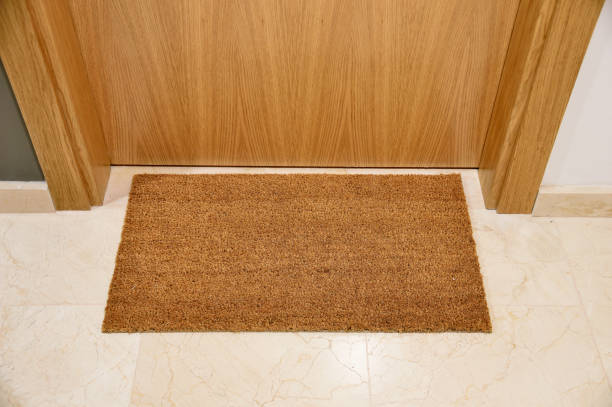
What Are Coir Mats Dubai and Why Are They Used Today
Natural entrance surfaces play a critical role in maintaining indoor cleanliness, improving safety, and enhancing building sustainability. As urban spaces expand and environmental awareness grows, many property owners are exploring natural material solutions for high-traffic entryways. These materials provide durability while supporting eco-conscious building practices.
Among natural entrance materials, coconut husk fiber products have gained attention for their strength, moisture resistance, and dirt-trapping capabilities. Their widespread use across residential, commercial, and hospitality environments reflects their practical performance and environmental advantages. Understanding how these materials function helps homeowners and facility managers make informed flooring and entryway decisions.
The Historical Use of Coconut Husk Fibers in Entrance Protection and Dirt Control Solutions
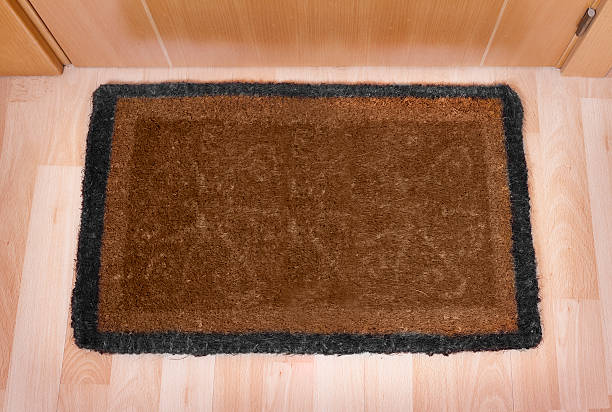
Coconut husk fibers have been used for centuries in tropical regions where coconut farming is widespread. Historically, communities discovered that dried coconut husks could be processed into strong, coarse fibers ideal for ropes, brushes, and entrance surfaces. Over time, these fibers were woven into mats designed specifically to trap dirt before it entered homes and buildings.
Traditional uses included:
- Village home entrance cleaning surfaces
- Agricultural building entry protection
- Workshop floor protection areas
- Boat and dock slip-resistant surfaces
Modern manufacturing has refined these traditional techniques while preserving the natural strength of the fiber. Today, many facility managers research solutions such as coir mats dubai to understand how natural coconut fiber entrance materials perform in contemporary urban environments.
The historical durability of coconut fibers continues to influence modern building entrance design, especially in regions with heavy outdoor dust exposure.
How Dense Natural Fiber Entrance Surfaces Help Reduce Dust Transfer Into Indoor Spaces
Dense natural fiber entrance surfaces function as the first defense against outdoor contaminants entering indoor environments. The coarse texture and rigid fiber structure allow these surfaces to scrape debris from footwear effectively.
Key performance benefits include:
- Removal of dry dust particles
- Absorption of moderate moisture levels
- Reduction of sand and soil tracking indoors
- Improved indoor air cleanliness
When properly positioned, entrance surfaces can significantly reduce indoor cleaning frequency. Placing them both outside and inside entry doors creates a layered debris control system.
For best results, entrance surface placement should follow this process:
- Outdoor scraping surface for heavy debris
- Indoor absorption surface for moisture removal
- Secondary interior surface for fine particle control
This layered approach is especially useful in areas with high pedestrian traffic or frequent outdoor dust exposure.
Comparing Natural Entrance Fibers Versus Synthetic Alternatives for Heavy Foot Traffic Areas
When comparing natural fibers to synthetic entrance materials, each option has strengths depending on usage conditions. Natural fibers provide environmental advantages and strong scraping performance, while synthetic materials may offer higher moisture resistance.
Natural fiber strengths include:
- Strong scraping texture
- Eco-friendly biodegradable composition
- Lower static buildup
- Natural appearance
Synthetic material strengths include:
- Higher water resistance
- Uniform manufacturing consistency
- Wider color range options
Some building owners researching full interior surface solutions often compare entrance materials alongside indoor solutions like carpet flooring to create cohesive building surface strategies.
Choosing between natural and synthetic materials depends on climate conditions, traffic levels, and sustainability goals.
Environmental Benefits of Using Biodegradable Entrance Materials in Modern Buildings
Biodegradable entrance materials support sustainable building initiatives and green certification programs. Coconut fibers are renewable resources harvested without harming the main tree structure, making them environmentally responsible raw materials.
Environmental advantages include:
- Renewable agricultural sourcing
- Reduced plastic-based material use
- Lower manufacturing energy requirements
- Natural decomposition at end of life
Green building designers increasingly consider natural entrance surfaces when designing environmentally responsible structures. These materials align with global sustainability initiatives focused on reducing synthetic material dependency.
Using biodegradable entrance surfaces also supports agricultural economies and promotes circular material lifecycles.
How Weather Resistance Impacts Outdoor Entrance Surface Performance in Coastal Regions
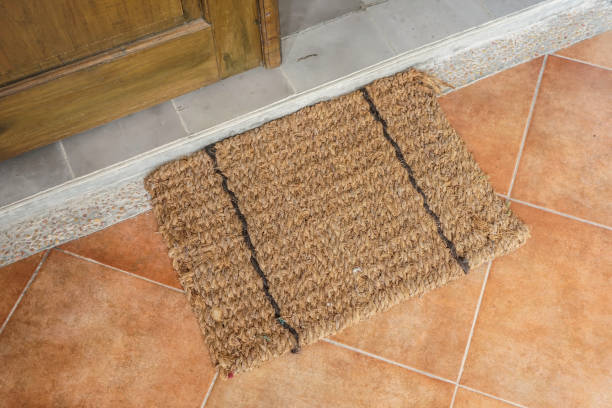
Weather exposure significantly affects entrance surface performance. Coastal environments introduce moisture, salt air, and sand particles, which can accelerate wear in some materials.
Natural coconut fibers perform well in many outdoor conditions because:
- Fibers resist moderate moisture absorption
- Rough texture maintains scraping ability even when wet
- Natural oils in fibers provide mild water resistance
However, maintenance becomes more important in high humidity zones. Regular drying and cleaning help preserve fiber strength and prevent premature wear.
Recommended maintenance in coastal climates:
- Shake out sand weekly
- Allow mats to dry fully after rain exposure
- Rotate surfaces to distribute wear evenly
- Avoid prolonged water pooling underneath
Understanding environmental exposure helps extend the lifespan of natural entrance materials.
The Role of Entrance Surfaces in Improving Indoor Hygiene and Reducing Cleaning Frequency
Entrance surfaces play a major role in maintaining indoor hygiene. By capturing dirt, moisture, and contaminants at the entry point, they reduce the amount of debris entering interior spaces.
Hygiene benefits include:
- Lower indoor dust accumulation
- Reduced allergen spread
- Improved slip resistance near entrances
- Decreased cleaning chemical usage
Facilities that implement multi-layer entrance surface systems often experience measurable reductions in cleaning time and maintenance costs. This makes entrance surfaces a practical part of building hygiene strategies.
In commercial environments such as offices and hotels, maintaining clean entrance zones also improves overall visitor experience and indoor comfort.
Design Variations and Surface Textures Available in Natural Entrance Fiber Products
Modern natural entrance fiber products are available in a variety of textures, thickness levels, and visual styles. While traditionally associated with neutral natural tones, design variations now allow better integration into modern interior themes.
Design variation factors include:
- Fiber density levels
- Surface brushing patterns
- Backing materials for stability
- Border finishing styles
Some property owners coordinate entrance surfaces with interior color themes. For example, those designing coordinated interior spaces may research color-matched interior options such as blue carpets dubai when planning consistent building aesthetics.
Modern design options allow natural entrance materials to function both practically and visually within contemporary architecture.
Conclusion
Natural coconut fiber entrance surfaces continue to serve as practical and environmentally responsible solutions for modern buildings. Their durability, dirt-trapping performance, and sustainable sourcing make them suitable for residential and commercial use.
By understanding historical usage, performance characteristics, and environmental benefits, property owners can select entrance materials that align with both functional and sustainability goals. Proper placement and maintenance ensure long-term performance and consistent indoor cleanliness.
FAQs
What materials are typically used in natural entrance surfaces?
Natural entrance surfaces are commonly made from coconut husk fibers, plant-based fibers, and other agricultural byproducts processed into durable woven materials.
How do natural entrance fibers trap dirt and moisture effectively?
Their coarse texture scrapes debris from footwear while the dense fiber structure traps dust and absorbs moderate moisture levels.
Are coconut fiber entrance products environmentally friendly?
Yes, they are renewable, biodegradable, and require less synthetic processing compared to many artificial materials.
How often should natural entrance surfaces be cleaned?
Weekly shaking or vacuuming is recommended, with deeper cleaning performed monthly or based on traffic levels.
What environments benefit most from natural fiber entrance solutions?
High-traffic entrances, dusty outdoor regions, residential entryways, and eco-focused buildings benefit most from natural entrance materials.
