
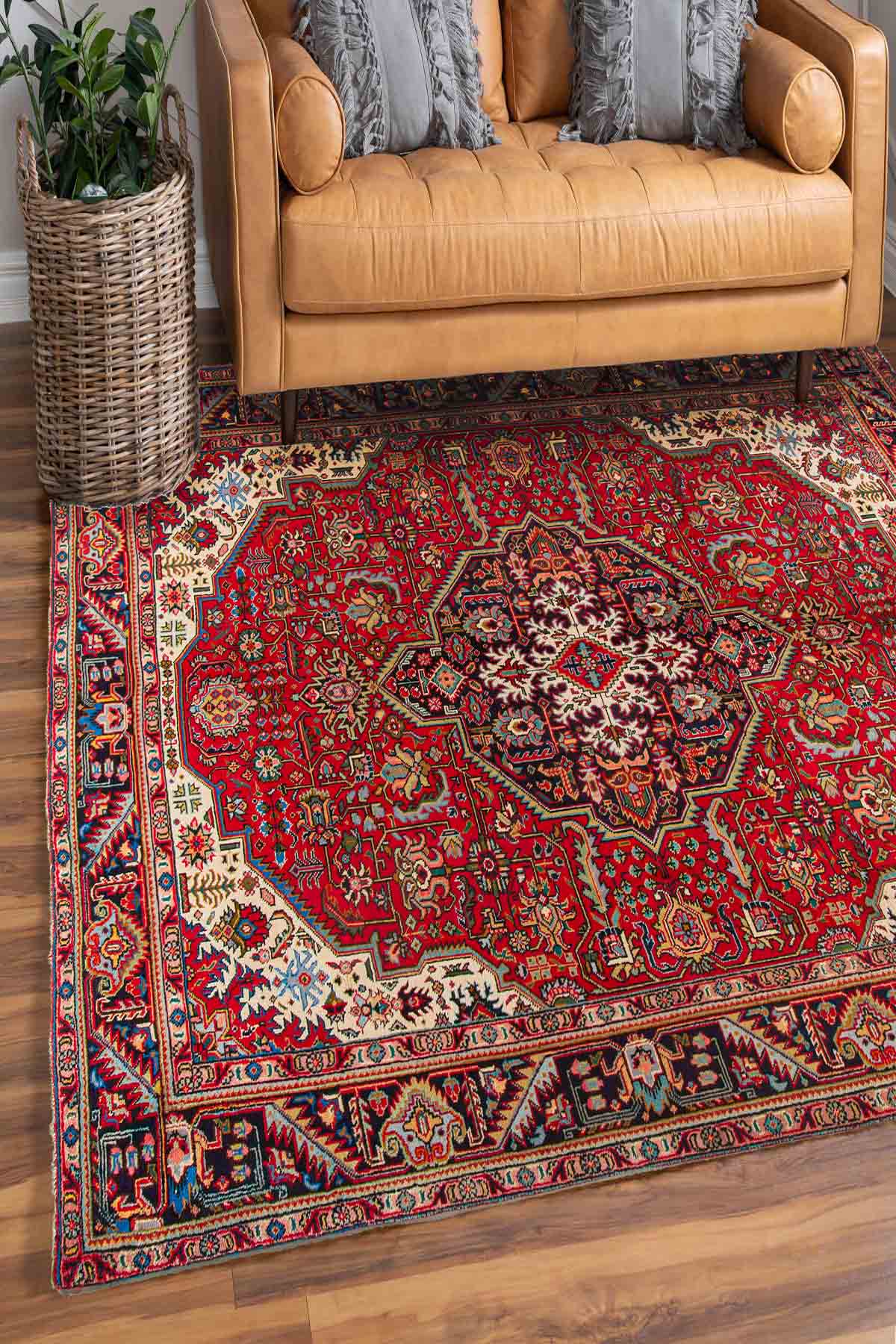
What Are Persian Carpets and How They Are Made Today
Handwoven textile floor coverings are among the most historically rich decorative elements still used in modern homes. Their creation combines artistic expression, technical skill, and deep cultural heritage. While production methods have evolved, many traditional techniques remain preserved through artisan communities and specialized workshops.
Understanding how these woven textiles are made today requires examining both ancient practices and modern adaptations. From raw fiber preparation to final finishing, each step plays a critical role in durability, texture, and design clarity. This article explores how modern production continues to respect historical craftsmanship while adapting to current environmental and design needs.
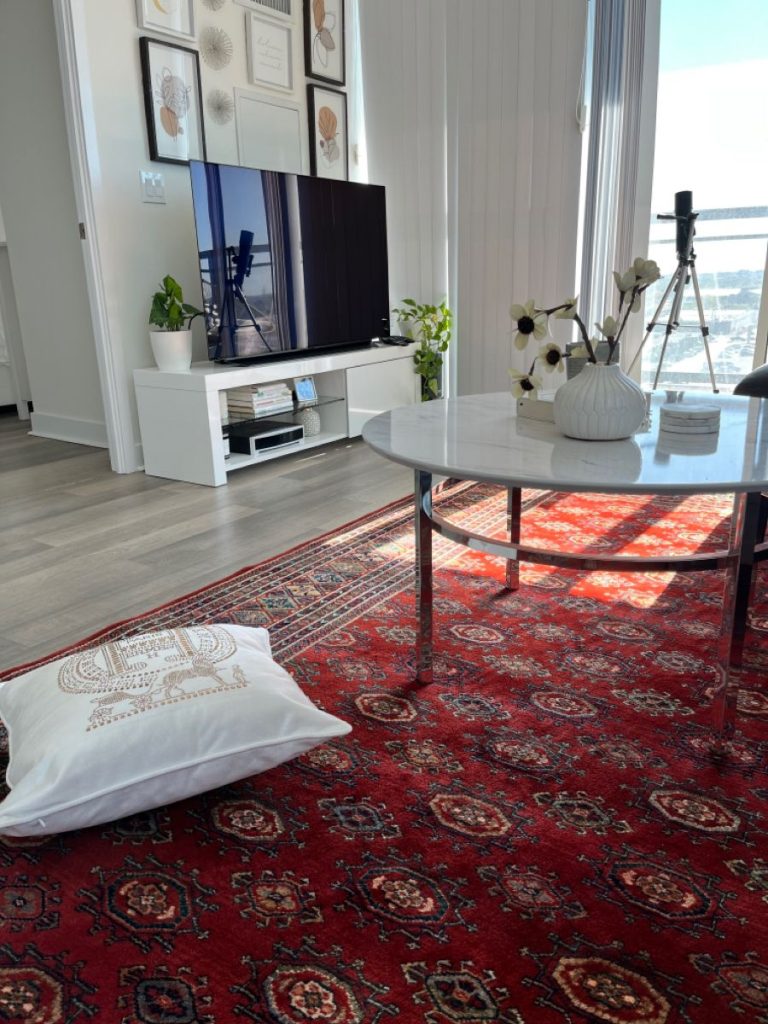
The complete step-by-step process of transforming raw natural fibers into detailed woven textile floor coverings
Modern production still follows a structured process rooted in centuries of tradition. Although tools may differ, the fundamental steps remain similar.
Step 1: Fiber Selection
Natural fibers are chosen based on durability, texture, and intended use. Common fiber sources include animal wool, plant fibers, and silk blends.
Step 2: Cleaning and Preparation
Raw fibers are cleaned to remove oils, dirt, and impurities. This step ensures consistent dye absorption and structural strength.
Step 3: Spinning
Fibers are spun into yarn using either hand-spinning methods or mechanical spinning machines while maintaining traditional twist standards.
Step 4: Dyeing
Natural or synthetic dyes are applied depending on environmental goals and color requirements.
Step 5: Loom Preparation
The loom is assembled and threads are aligned precisely to maintain pattern accuracy.
Step 6: Weaving
Artisans follow pattern maps or memory-based designs to create detailed structures knot by knot.
Step 7: Washing and Finishing
After weaving, textiles are washed, trimmed, and stretched to stabilize structure and enhance appearance.
These steps are still visible today when studying traditional weaving processes associated with persian carpets.
Regional weaving variations and how geography influences weaving style, fiber selection, and pattern complexity
Geography plays a major role in weaving identity. Climate, available natural resources, and cultural traditions all shape weaving characteristics.
Mountain Regions
- Thicker fibers for insulation
- Dense knotting for durability
- Geometric protective symbols
Desert Regions
- Lightweight fibers for airflow
- Bright colors inspired by natural landscapes
- Repeating symmetrical patterns
Coastal Regions
- Moisture-resistant fibers
- Organic wave-inspired patterns
- Flexible weaving density
Environmental conditions influence fiber availability and weaving tension, resulting in unique regional identities recognized worldwide.
The importance of loom technology evolution from ancient hand looms to modern assisted weaving tools
Loom technology has advanced significantly, but many artisans still prefer traditional tools for precision control.
Traditional Hand Looms
Offer full manual control, allowing artisans to adjust tension and knot tightness instantly.
Semi-Mechanical Looms
Help increase production speed while maintaining manual pattern placement.
Modern Assisted Looms
Allow digital pattern referencing but still rely on human weaving skills for execution.
These technological developments help preserve tradition while supporting growing global demand for woven textile flooring.
How knot types and weaving density influence texture, strength, and long-term structural stability
Knot structure directly impacts durability and feel.
Common Knot Types
- Symmetrical knots create balanced durability
- Asymmetrical knots allow higher pattern detail
Density Considerations
Higher density often results in:
- More detailed pattern work
- Stronger fiber locking
- Improved resistance to flattening
Lower density may provide:
- Softer walking surface
- Faster production
- Lower material usage
Understanding knot structure helps researchers evaluate structural longevity in textile floor coverings.
The environmental sustainability of natural fiber floor textiles compared to synthetic flooring alternatives
Sustainability has become a major focus in modern textile production.
Natural fibers typically offer:
- Biodegradability
- Renewable sourcing potential
- Lower long-term environmental impact
Synthetic materials may offer consistency but often require more energy-intensive production processes.
Many sustainability studies include plant-based options like carpet floor covering solutions made from renewable natural fibers.
How traditional weaving communities maintain quality standards through training and apprenticeship systems
Quality control in traditional weaving often depends on human skill rather than automation.
Training systems usually include:
- Pattern memorization practice
- Fiber tension control training
- Dye blending experience
- Cultural motif education
Apprentices may train for years before mastering full production independence. This ensures consistency across generations and helps preserve heritage weaving methods.
Community-based production also encourages knowledge sharing and innovation within traditional frameworks.
The impact of global design trends on traditional weaving pattern adaptation in modern interior environments
Global interior design trends influence modern weaving patterns while maintaining traditional foundations.
Current Adaptation Trends
- Simplified color palettes
- Larger repeating pattern scales
- Neutral-toned natural fiber blends
- Minimalist border structures
Outdoor and indoor crossover designs have also increased demand for durable plant-based options such as sisal outdoor carpet, which combine traditional weaving concepts with modern performance requirements.
Design adaptation helps traditional weaving stay relevant without losing cultural authenticity.
Conclusion
Modern production of traditional woven textile floor coverings balances historical craftsmanship with technological efficiency. While some tools and materials have evolved, the core weaving principles remain rooted in artisan knowledge and cultural tradition.
As sustainability and craftsmanship gain global attention, traditional weaving techniques continue influencing modern interior design. Understanding production methods helps preserve appreciation for the skill, patience, and cultural heritage behind every woven textile floor covering.
FAQs
How long does it take to produce detailed handmade woven floor textiles?
Production time varies depending on size, knot density, and design complexity. Smaller pieces may take weeks, while highly detailed large pieces can take months.
What makes natural fiber woven flooring environmentally sustainable?
Natural fibers are renewable, biodegradable, and often require less chemical processing compared to synthetic materials.
How do regional weaving techniques differ around the world?
Regional techniques differ based on climate, culture, available fibers, and traditional design symbolism.
What determines the softness or firmness of woven textile flooring?
Fiber type, knot density, and weaving tension all influence how soft or firm a finished textile feels.
How do artisans maintain pattern consistency during manual weaving processes?
Artisans use pattern maps, counting methods, and memorized design sequences to maintain accuracy during manual weaving.
