
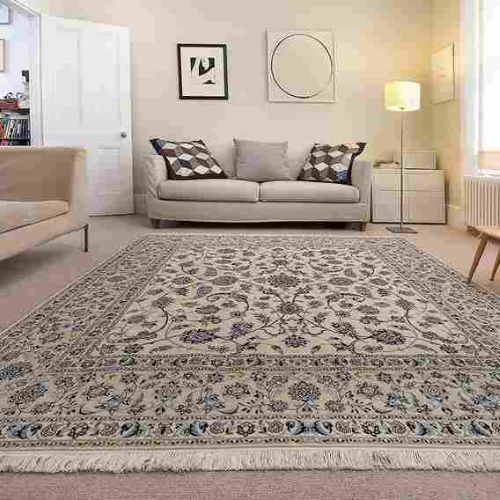
What Are Persian Rugs and Why They Matter in Homes
Persian rugs have been valued for centuries as both functional textiles and cultural art forms. Their craftsmanship reflects deep historical traditions, artistic expression, and regional identity. Unlike mass-produced floor coverings, Persian rugs often carry stories through patterns, weaving styles, and materials that connect them to specific regions and communities.
Today, Persian rugs are appreciated not only for their beauty but also for their durability and long lifespan. Many households view them as heirloom-quality pieces that can last for generations when properly cared for. Understanding what makes Persian rugs unique helps homeowners, designers, and collectors make informed decisions about using them in living spaces.
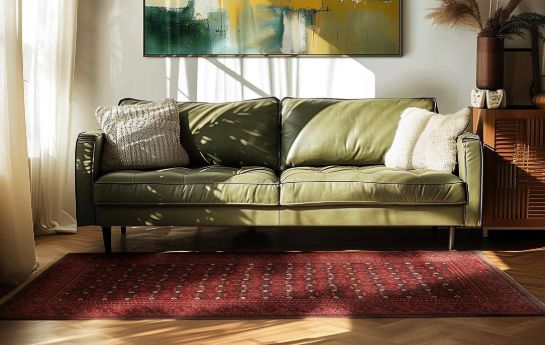
History and cultural origins of traditional Persian rug weaving methods
Persian rug weaving dates back more than 2,500 years, making it one of the oldest textile traditions in the world. Originating in ancient Persia (modern-day Iran), weaving was initially a practical craft used to create floor coverings, blankets, and shelter materials for nomadic tribes.
Over time, rug weaving evolved into an artistic tradition influenced by:
- Royal patronage during Persian empires
- Regional tribal identities
- Religious and symbolic storytelling
- Trade along the Silk Road
Many historic weaving centers such as Tabriz, Kashan, and Isfahan developed distinctive styles. These regional variations still influence modern designs today.
When researching historical textile traditions, many people exploring heritage floor coverings often start by learning about authentic persian rugs and how they developed across centuries of craftsmanship.
How natural dyes and hand knotting influence durability and appearance
Traditional Persian rugs are known for their hand-knotting techniques and natural dye processes. These two elements significantly impact both visual beauty and longevity.
Natural Dye Advantages
- Derived from plants, insects, and minerals
- Age gracefully over time instead of fading harshly
- Create subtle color variations known as abrash
Hand Knotting Benefits
- Provides structural strength
- Allows intricate patterns and high detail
- Creates dense pile that resists wear
The knot density, often measured in knots per square inch (KPSI), determines how detailed and durable a rug is. Higher density usually means better quality and longer lifespan.
Differences between regional Persian rug patterns and symbolic meanings
Each Persian region has its own signature patterns and symbolic elements. These designs often carry meanings connected to nature, spirituality, or cultural identity.
Common Symbolism Examples
- Floral motifs: Represent paradise and eternal life
- Medallions: Symbolize unity and balance
- Tree of life patterns: Represent growth and spiritual connection
- Animal motifs: Reflect strength, protection, or prosperity
Recognizing these symbols helps people appreciate Persian rugs beyond decoration, understanding them as storytelling art pieces.
Materials commonly used in authentic Persian rugs and why they matter
Material selection directly affects texture, durability, and maintenance needs.
Most Common Materials
Wool
- Durable and naturally stain resistant
- Soft underfoot
- Excellent insulation properties
Silk
- Extremely fine and detailed weaving capability
- Luxurious appearance
- Typically used in decorative or low-traffic areas
Cotton
- Often used as foundation material
- Adds structural strength
When comparing natural fibers, some homeowners researching sustainable flooring alternatives also explore materials used in a sisal rug, since both share plant-based or natural fiber advantages.
How Persian rugs are maintained to preserve color and fiber strength long term
Proper maintenance significantly extends a rug’s lifespan. Persian rugs can last over 100 years when well cared for.
Maintenance Best Practices
- Rotate rugs every 6–12 months to distribute wear
- Vacuum gently without rotating brush bars
- Avoid prolonged direct sunlight exposure
- Clean spills immediately using blotting methods
- Schedule professional cleaning every few years
Humidity control is also important, as extreme moisture can damage natural fibers and foundations.
How to identify handmade Persian rugs versus machine produced alternatives
Distinguishing handmade rugs from machine-made ones requires close observation.
Handmade Rug Indicators
- Slight pattern irregularities (human craftsmanship)
- Visible knots on the back side
- Fringe integrated into rug foundation
- Natural color variations
Machine-Made Rug Indicators
- Perfect symmetry
- Uniform backing
- Synthetic materials
- Lower weight and density
Learning these differences helps buyers and collectors evaluate authenticity and quality more confidently.
Role of Persian rugs in interior design styles across global cultures
Persian rugs work across many interior styles because of their versatility and artistic depth.
Common Design Pairings
- Traditional interiors: Enhance heritage aesthetics
- Modern minimalist spaces: Add warmth and contrast
- Bohemian styles: Complement layered textures
- Transitional homes: Balance classic and contemporary elements
Color coordination also plays a role in styling. For example, designers researching regional flooring color trends sometimes explore options similar to a blue carpet dubai palette to understand how cooler tones influence interior mood.
Persian rugs often serve as focal points in rooms, helping anchor furniture layouts and define living zones.
Conclusion
Persian rugs represent centuries of craftsmanship, cultural storytelling, and functional artistry. Their handmade construction, natural materials, and symbolic patterns make them far more than simple floor coverings. They offer historical depth, durability, and aesthetic versatility that adapts across design styles and living environments.
Understanding their origins, materials, construction methods, and maintenance requirements allows homeowners and design enthusiasts to fully appreciate their long-term value. Whether used as decorative art or functional flooring, Persian rugs continue to hold an important place in global interior design traditions.
FAQs
What makes Persian rugs different from other handmade rugs?
Persian rugs are distinguished by regional weaving styles, symbolic patterns, natural dye processes, and centuries-old weaving traditions unique to specific Persian regions.
How long do authentic Persian rugs typically last with proper care?
With correct maintenance, authentic Persian rugs can last anywhere from 50 to over 100 years, often becoming family heirlooms.
Are Persian rugs made using only natural materials and dyes?
Traditional Persian rugs typically use natural wool, silk, and plant-based dyes, although some modern versions may include synthetic elements.
Why are Persian rugs considered culturally significant textiles?
They reflect regional history, artistic identity, and cultural storytelling passed down through generations of skilled artisans.
How can beginners learn to recognize real Persian rug craftsmanship?
Examining knot structure, backing irregularities, fringe construction, and natural dye color variations helps identify authentic handmade rugs.
Do Persian rugs require special cleaning methods at home?
Yes. Gentle vacuuming, immediate spill blotting, and occasional professional cleaning help maintain structure and color integrity.
