
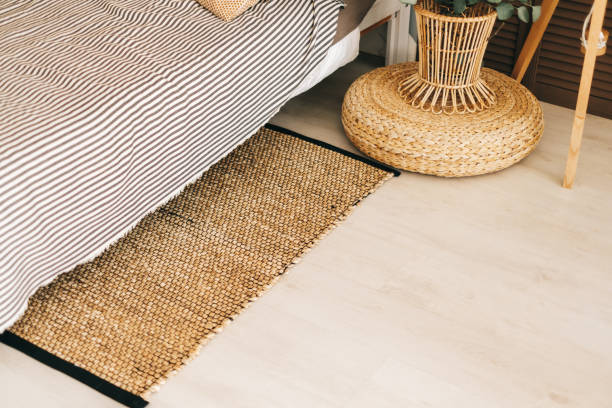
What Are Jute Rugs and How Do They Improve Home Comfort
Natural fiber home décor has become increasingly important for homeowners seeking healthier, more environmentally responsible living spaces. Among the many natural flooring options available today, plant-based woven floor coverings stand out for their durability, texture, and eco-conscious appeal. These materials are valued not only for aesthetics but also for their functional contributions to indoor comfort.
In modern interior design, natural materials help create a grounded and calming atmosphere. They connect indoor spaces with nature while supporting sustainable manufacturing practices. Understanding how natural woven flooring works and why it is valued can help homeowners make informed decisions about interior comfort, maintenance, and long-term home wellness.
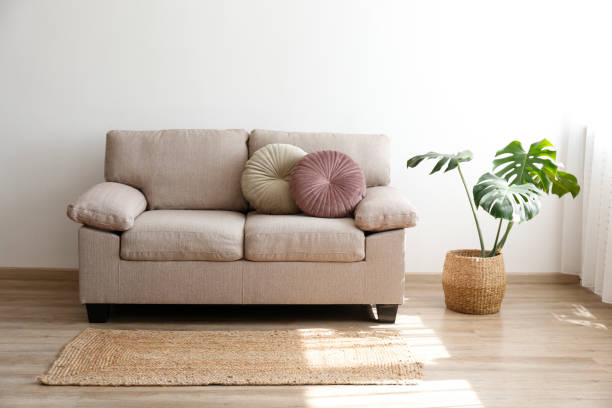
Understanding how natural jute fibers are harvested and woven into durable rugs
Jute fiber comes from the stalks of the jute plant, which grows primarily in warm, humid climates. After harvesting, the fibers are separated from the plant through a soaking and stripping process. These fibers are then dried, spun into threads, and woven into thick, textured materials used in home décor.
The weaving process significantly influences durability and appearance. Common weaving methods include:
- Hand-braided weaving for thicker textures
- Flat weaving for smoother surface finish
- Basket weaving for added structural strength
Because of their plant origin, many homeowners choose jute rugs to introduce natural textures into living spaces. The organic structure of the fibers provides both strength and flexibility, allowing rugs to adapt to various floor types while maintaining shape over time.
Key environmental benefits of using plant based floor coverings inside homes
Plant-based flooring materials contribute to environmental sustainability in several meaningful ways. Unlike synthetic fibers, natural fibers are biodegradable and renewable, which reduces environmental waste over time.
Key environmental benefits include:
- Renewable harvesting cycles without long regrowth periods
- Lower chemical processing requirements during production
- Reduced carbon footprint compared to synthetic materials
- Biodegradability at end of product lifecycle
In addition, natural fiber cultivation often requires fewer pesticides and less energy-intensive manufacturing processes. This makes them a strong option for homeowners interested in reducing their ecological impact while still maintaining interior design quality.
Differences between jute rugs and synthetic rugs in texture durability and feel
Natural fiber flooring and synthetic flooring differ significantly in performance, feel, and environmental impact. Understanding these differences helps homeowners choose the right material for specific rooms and lifestyle needs.
Natural fiber characteristics include:
- Soft but textured feel underfoot
- Breathable weave allowing air circulation
- Organic color variations and patterns
- Moderate durability suited for medium-traffic areas
Synthetic flooring characteristics include:
- Higher resistance to stains and moisture
- Uniform texture and consistent coloring
- Often softer but less breathable
- Typically longer lifespan in heavy traffic areas
Natural fibers provide warmth and tactile comfort that many synthetic options cannot fully replicate, particularly in living areas focused on relaxation and comfort.
How natural fiber rugs influence indoor air quality and home sustainability
Indoor air quality plays a major role in overall home comfort. Natural fiber materials help support healthier indoor environments by reducing exposure to synthetic chemical treatments and plastic-based materials.
Natural woven flooring helps indoor air quality through:
- Lower emission of volatile organic compounds
- Reduced chemical odor accumulation indoors
- Natural moisture regulation properties
- Dust trapping capabilities within fiber weave
In homes designed around calming color palettes, pairing natural fibers with accent pieces such as a green rug can support both aesthetic and environmental comfort goals. Natural tones often complement organic materials, reinforcing the feeling of a balanced and breathable living environment.
Cleaning methods that help preserve natural fibers without damaging structure
Proper cleaning is essential to extend the lifespan of natural woven flooring. Unlike synthetic fibers, natural fibers require gentler care methods to maintain strength and appearance.
Recommended cleaning methods include:
Routine Maintenance
- Vacuum using suction only (no rotating brush)
- Shake outdoors to remove loose dust particles
- Rotate placement to ensure even wear
Deep Cleaning
- Spot clean with mild soap and water
- Blot spills immediately to prevent fiber staining
- Avoid excessive moisture exposure
Preventative Care
- Use rug pads to reduce friction with flooring
- Keep away from consistently damp environments
- Protect from direct prolonged sunlight exposure
Following these care steps helps maintain fiber integrity and preserves natural texture for many years.
Interior design styles that commonly incorporate earthy natural woven textures
Natural woven flooring is widely used across multiple interior design styles because of its versatility and organic aesthetic. Designers often use natural fibers as grounding elements that balance more structured or modern design components.
Common styles that incorporate natural textures include:
- Scandinavian minimalist interiors
- Coastal and beach-inspired home décor
- Bohemian layered textile designs
- Rustic farmhouse interiors
- Contemporary eco-conscious design themes
In modern contrast-focused interiors, darker accent flooring such as a black carpet may be paired with natural woven elements to create visual balance. The contrast between organic and bold tones adds depth and dimension to living spaces without overwhelming the design.
Common challenges homeowners face when maintaining organic fiber floor rugs
While natural woven flooring offers many advantages, homeowners may encounter some maintenance challenges. Understanding these potential issues helps prevent premature wear or damage.
Common challenges include:
- Sensitivity to excessive moisture exposure
- Potential fiber shedding during early usage stages
- Vulnerability to heavy furniture pressure points
- Risk of staining if spills are not cleaned quickly
Most of these challenges can be managed through proper placement and routine maintenance. Using protective pads, rotating rugs, and following cleaning recommendations significantly reduces long-term wear risks.
Conclusion
Natural fiber flooring continues to grow in popularity due to its combination of sustainability, comfort, and aesthetic appeal. These materials provide homeowners with a practical way to enhance indoor environments while supporting environmentally responsible living practices.
Understanding how natural woven flooring is produced, maintained, and integrated into interior design allows homeowners to make thoughtful decisions that improve long-term home comfort. With proper care and placement, natural fiber flooring can remain both functional and visually appealing for years.
FAQs
What makes natural plant fiber rugs environmentally friendly?
They are made from renewable plant materials, require less chemical processing, and naturally biodegrade at the end of their lifecycle.
How long do natural fiber rugs typically last in homes?
With proper care and placement, natural fiber rugs can last several years, especially in medium-traffic living spaces.
Are natural woven rugs suitable for high traffic living spaces?
They are best suited for medium-traffic areas, though proper maintenance and protective pads can improve durability in busier spaces.
Do natural fiber rugs affect indoor air quality positively?
Yes, natural fibers typically release fewer synthetic chemicals and help regulate indoor humidity and airflow.
What are the most common maintenance mistakes with natural rugs?
Common mistakes include over-wetting during cleaning, using harsh chemicals, and placing rugs in consistently damp or humid areas.
