
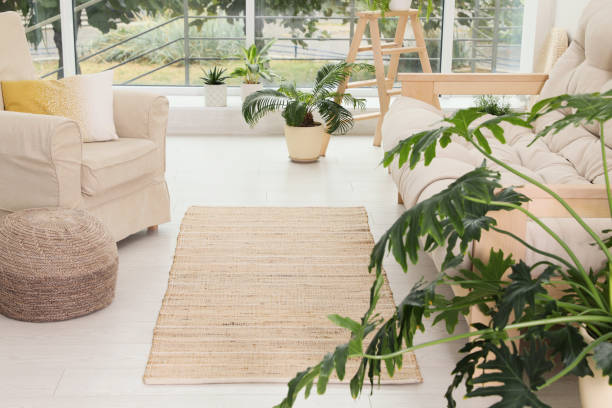
How Jute Rug Dubai Options Support Healthy Interiors
Natural fiber rugs have become increasingly important in modern interior environments where sustainability, comfort, and indoor health are key priorities. Plant-based flooring materials offer a balance between functional durability and environmental responsibility, making them suitable for homes, offices, and shared indoor spaces. In design-focused urban environments like Dubai, natural fiber flooring is often explored as part of broader eco-conscious architecture and interior planning.
Jute rugs, in particular, are valued for their natural origin, breathable fiber structure, and ability to blend into multiple interior design themes. Their soft organic appearance helps create calming indoor atmospheres while supporting low-impact material usage. Understanding how natural fiber rugs influence indoor health, acoustics, comfort, and sustainability helps property owners make informed design decisions.
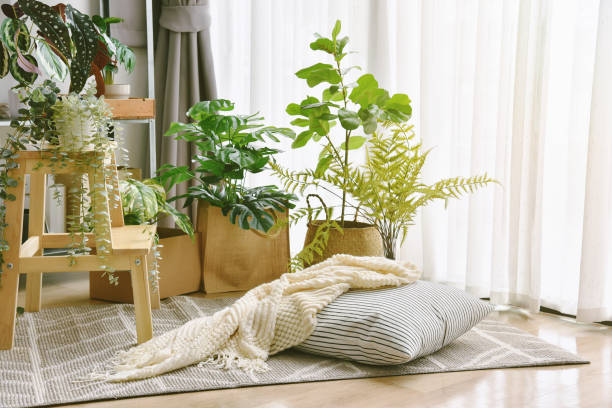
Understanding how natural fiber rugs contribute to healthier indoor air quality and reduced synthetic exposure
Indoor air quality is influenced by furniture materials, flooring surfaces, paint finishes, and cleaning products. Natural fiber rugs contribute positively by reducing the presence of synthetic chemicals commonly found in artificial flooring materials.
Natural fiber rugs support healthier indoor environments through:
- Reduced volatile organic compound (VOC) emissions
- Lower synthetic chemical residue accumulation
- Improved air circulation due to breathable fiber structure
- Minimal microplastic particle shedding
Plant-based fibers naturally regulate humidity by absorbing and releasing moisture from the surrounding air. This can help stabilize indoor climate conditions and reduce the risk of overly dry or overly humid environments.
Many homeowners researching natural flooring materials often explore options similar to jute rug dubai to better understand how organic rugs can support indoor air balance and natural living spaces.
Differences between handmade and machine-made natural fiber rugs in terms of durability and texture consistency
Manufacturing methods influence the overall performance, texture feel, and lifespan of natural fiber rugs. Handmade and machine-made rugs both have distinct structural advantages depending on intended usage.
Handmade Natural Fiber Rugs
- Slight texture variations due to manual weaving
- Often thicker fiber bundles
- Strong craftsmanship durability
Machine-Made Natural Fiber Rugs
- Uniform surface consistency
- Faster production scalability
- Typically lower variation between units
Handmade rugs often emphasize artistic weaving techniques, while machine-made rugs prioritize structural consistency. Both can perform well in residential environments when used in appropriate locations.
How natural fiber rugs influence room acoustics and help reduce echo in large indoor living spaces
Flooring materials play an important role in sound absorption. Hard flooring surfaces such as tile or stone reflect sound waves, increasing echo levels in open spaces. Natural fiber rugs help absorb sound vibrations and reduce ambient noise.
Acoustic benefits include:
- Reduced echo in high ceiling rooms
- Improved speech clarity in shared spaces
- Lower footstep noise transmission
- Softer sound reflection compared to hard flooring
In offices, natural fiber rugs help create quieter working environments. In residential settings, they improve comfort by reducing sound intensity between rooms and floors.
The role of natural fiber rugs in temperature insulation and floor surface comfort across seasons
Natural fiber rugs provide mild insulation that helps stabilize floor surface temperature throughout the year. While they do not replace structural insulation, they add an extra layer of thermal comfort.
Seasonal comfort benefits include:
- Warmer floor feel during cooler months
- Reduced heat reflection from hard flooring during warm seasons
- Enhanced barefoot comfort in living spaces
- Reduced cold surface shock in early mornings
Because plant fibers trap small air pockets, they create natural thermal buffering. This improves overall floor comfort without adding synthetic materials.
How to identify high-quality natural fiber rugs based on weaving density and fiber thickness consistency
Evaluating rug quality requires examining fiber structure and weaving precision. Higher quality rugs typically demonstrate tighter weaving and consistent fiber thickness.
Quality identification checklist:
- Uniform weaving pattern without loose fiber gaps
- Even fiber color tone distribution
- Firm backing structure
- Smooth but textured surface feel
Durable natural fiber rugs often maintain structure longer when placed in moderate traffic indoor areas.
When exploring natural fiber color variations and material structures, some people compare products similar to green color carpets to understand how dye techniques interact with organic fiber materials.
Exploring common color dye methods used in natural fiber rugs and their long-term color stability indoors
Natural fiber rugs use both plant-based and synthetic dyes. Dye method impacts color longevity and fade resistance.
Common dye methods include:
Vegetable-Based Dyes
- Environmentally friendly
- Softer color tones
- May fade faster under direct sunlight
Modern Low-Impact Synthetic Dyes
- Higher color consistency
- Improved fade resistance
- Better stain resilience
Color stability depends on sunlight exposure, cleaning methods, and indoor humidity levels. Rugs placed away from direct sunlight tend to maintain color vibrancy longer.
Understanding placement strategies for natural fiber rugs across living rooms, bedrooms, and office environments
Placement influences rug lifespan and performance. Proper positioning helps maintain structural integrity and appearance.
Living Rooms
- Place under coffee tables or seating clusters
- Avoid placing directly near balcony moisture zones
Bedrooms
- Place under bed edges for morning comfort
- Avoid high friction door swing zones
Office Spaces
- Place under desk seating areas
- Avoid rolling chair high-friction zones without protective mats
People comparing natural flooring options often review broader natural rug categories similar to area rugs dubai to understand how size and placement influence interior functionality.
Environmental lifecycle of natural fiber rugs from raw material harvesting to end-of-life biodegradability
Natural fiber rugs follow an environmentally responsible lifecycle compared to synthetic materials.
Lifecycle stages include:
- Agricultural fiber cultivation
- Low chemical processing
- Long indoor usage lifespan
- Natural biodegradation after disposal
This lifecycle reduces long-term environmental impact and supports sustainable resource cycles. Natural fiber decomposition typically occurs without releasing harmful residues into soil or water systems.
Conclusion
Natural fiber rugs provide a combination of indoor comfort, environmental sustainability, and aesthetic versatility. Jute rugs, specifically, offer breathable flooring surfaces, natural insulation properties, and organic texture appeal. By understanding production methods, acoustic benefits, maintenance practices, and environmental lifecycle impact, homeowners and designers can integrate natural fiber rugs into healthier and more sustainable indoor environments.
FAQs
Are natural fiber rugs safe for households with children and pets?
Yes, natural fiber rugs typically contain fewer synthetic chemicals and are considered safe when properly maintained and cleaned.
How do natural fiber rugs react to moisture exposure over time?
Extended moisture exposure may weaken fibers, so placing rugs in dry, ventilated indoor spaces is recommended.
Can natural fiber rugs be layered with other rugs for interior styling?
Yes, layering is commonly used in interior design to add texture depth and visual interest.
What factors determine the lifespan of a natural fiber rug indoors?
Foot traffic level, moisture exposure, cleaning frequency, and rug placement all influence lifespan.
Do natural fiber rugs require special cleaning tools or methods?
Most natural fiber rugs require gentle vacuuming, dry cleaning methods, and minimal water exposure for best results.
