
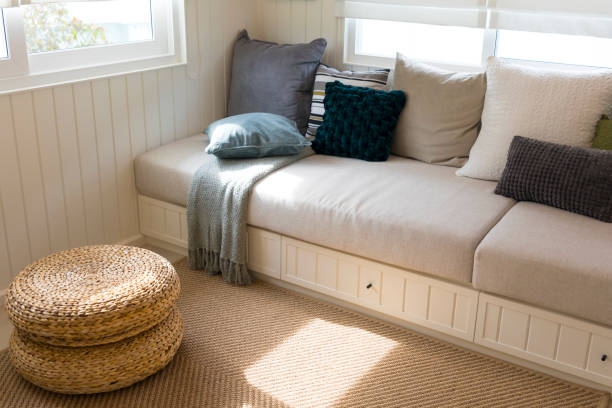
What Are Jute Carpets and Their Benefits for Interiors
Jute carpets have gained global recognition as eco-friendly flooring solutions made from natural plant fibers. Known for their earthy texture and organic appearance, these carpets appeal to homeowners seeking sustainability, durability, and natural design elements. As interior trends increasingly shift toward environmentally responsible materials, jute carpets have become an important option in modern home design.
Beyond aesthetics, jute carpets offer functional benefits such as breathability, comfort underfoot, and natural insulation. Understanding how jute carpets are made, how they perform in different environments, and how they compare to other natural fiber options helps homeowners make informed interior design decisions.
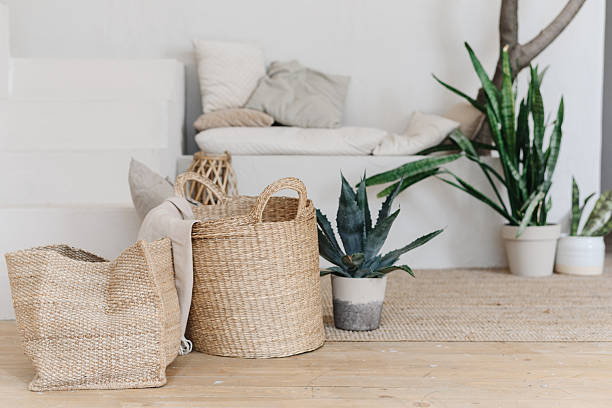
How jute fibers are harvested and processed into durable carpet materials
Jute is a natural fiber harvested from the stalks of jute plants, which grow primarily in warm, humid climates. The harvesting process typically involves cutting the plant stems, soaking them in water to loosen fibers, and then separating the fibers manually.
After harvesting, the fibers go through several processing stages:
- Drying to remove excess moisture
- Spinning into yarn strands
- Twisting to increase fiber strength
- Weaving into carpet structures
The resulting fibers are strong yet flexible, making them suitable for woven carpets and rugs. Jute fibers are also biodegradable, making them attractive for environmentally conscious households.
When researching natural fiber flooring options, many homeowners compare jute with materials used in jute carpets to better understand sustainability differences among plant-based textiles.
Environmental benefits of using plant based jute carpets in homes
Jute is widely considered one of the most environmentally friendly natural fibers available.
Key Environmental Benefits
- Rapid plant growth requiring minimal pesticides
- Low water consumption compared to cotton production
- Biodegradable and compostable material
- Renewable crop harvested annually
Jute cultivation also helps improve soil quality because it naturally replenishes nutrients. This makes it beneficial not only for product manufacturing but also for agricultural ecosystems.
Choosing plant-based flooring materials contributes to reduced carbon footprints and supports sustainable manufacturing cycles.
Differences between jute carpets and other natural fiber flooring options
While jute is often grouped with other natural fibers, it has distinct characteristics.
Jute vs Wool
- Jute: Plant-based, lightweight, breathable
- Wool: Animal-based, thicker, naturally stain resistant
Jute vs Sisal
- Jute: Softer and more comfortable underfoot
- Sisal: More durable and better for high-traffic areas
Jute vs Cotton
- Jute: Stronger fiber structure
- Cotton: Softer but less durable
Understanding these differences helps homeowners select flooring based on room usage, comfort preferences, and environmental goals.
How jute carpets react to moisture humidity and long term indoor use
Jute fibers naturally absorb moisture, which influences performance in different environments.
Moisture Behavior
- Absorbs humidity from air
- Can swell if exposed to water for long periods
- Dries relatively quickly in ventilated spaces
Because of these characteristics, jute carpets perform best in:
- Living rooms
- Bedrooms
- Home offices
- Low-moisture indoor areas
They are less suitable for bathrooms, kitchens, or basements with high humidity levels.
Cleaning and maintenance methods that protect natural jute carpet fibers
Proper maintenance is essential to extend the life of jute carpets.
Routine Care Tips
- Vacuum regularly using suction-only settings
- Avoid steam cleaning or soaking
- Blot spills immediately using dry cloths
- Use baking soda occasionally to reduce odors
Deep Cleaning Guidelines
- Use professional dry-cleaning services if necessary
- Avoid chemical cleaners that may weaken fibers
Natural fibers require gentler care compared to synthetic materials, but proper maintenance keeps jute carpets attractive for many years.
Interior design styles where jute carpets enhance natural aesthetics
Jute carpets are extremely versatile and complement many interior styles.
Popular Style Pairings
Scandinavian Interiors
- Emphasize natural materials
- Enhance light, neutral color palettes
Bohemian Interiors
- Blend with layered textiles
- Support earthy tones and organic decor
Modern Minimalist Spaces
- Add texture without visual clutter
- Provide warmth to neutral designs
Designers often consider color coordination alongside texture. For example, when studying how natural fibers interact with color themes, some explore tones similar to green carpets to understand how nature-inspired palettes affect room mood.
Common misconceptions about durability lifespan and comfort of jute carpets
There are several myths surrounding jute carpets that often cause confusion.
Myth 1: Jute carpets are too fragile
Reality: While softer than sisal, jute carpets can last years in moderate-traffic areas.
Myth 2: Jute carpets are uncomfortable
Reality: Jute fibers are among the softest natural plant fibers used in flooring.
Myth 3: Jute carpets cannot be used in modern homes
Reality: They are widely used in contemporary interior design because of their natural texture.
Many homeowners comparing plant-based flooring materials also evaluate how options like sisal rugs perform in terms of durability and texture differences relative to jute.
Conclusion
Jute carpets provide an environmentally responsible flooring option that balances natural beauty with functional performance. Their plant-based origin, biodegradable structure, and soft texture make them suitable for homeowners seeking sustainable interior solutions. While they require thoughtful maintenance and placement, jute carpets perform well in low-moisture indoor environments and complement a wide range of interior design styles.
Understanding jute fiber processing, environmental impact, and performance characteristics helps homeowners choose flooring materials aligned with sustainability goals and lifestyle needs. As natural interior design continues to grow in popularity, jute carpets remain a relevant and practical choice for modern homes.
FAQs
What is jute and why is it used in carpet manufacturing?
Jute is a natural plant fiber known for strength, flexibility, and sustainability. It is widely used in carpets because it is biodegradable and environmentally friendly.
Are jute carpets suitable for high traffic areas in homes?
They perform best in low to moderate traffic areas. High traffic zones may cause faster fiber wear.
Do jute carpets help improve indoor environmental sustainability?
Yes. Jute carpets are made from renewable plant fibers and are biodegradable, reducing environmental impact.
How do jute carpets compare to wool or sisal in texture?
Jute is softer than sisal but less durable. Compared to wool, jute feels more natural and textured but less plush.
Can jute carpets be used in humid climates or coastal homes?
They can be used indoors if humidity is controlled. Direct moisture exposure should be avoided.
How long do jute carpets maintain structural strength?
With proper care and placement in suitable areas, jute carpets can last several years while maintaining fiber integrity.
