
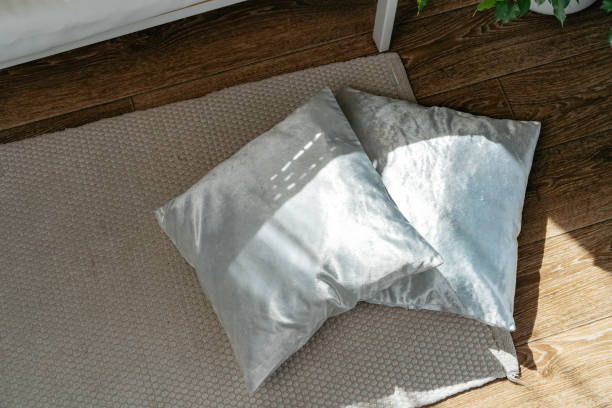
What Are Jute Carpets Dubai and Their Key Benefits
Natural fiber carpets have gained significant attention in modern interior design due to their sustainability, durability, and natural appearance. Among these, jute carpets are widely recognized for their organic texture and environmentally friendly properties. In regions like Dubai, natural flooring materials are becoming more common as homeowners and designers focus on healthier indoor environments and sustainable design practices.
Jute carpets are produced from plant-based fibers, making them biodegradable and renewable. Their earthy appearance blends well with many interior styles, from minimalist modern spaces to traditional home décor. Understanding their structure, benefits, and care requirements helps homeowners make informed decisions when selecting natural flooring materials.
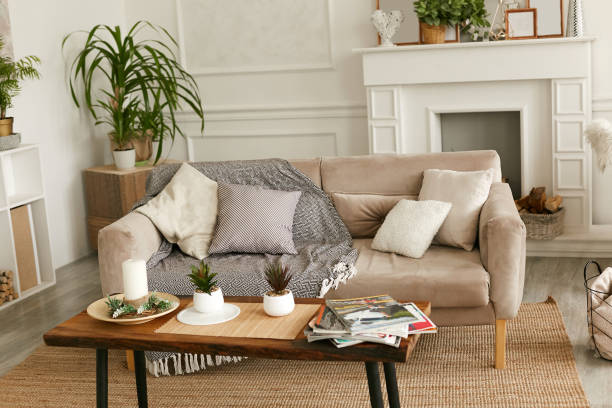
Understanding how natural jute fibers are sourced and processed into durable carpet materials for home interiors
Jute is derived from plant stalks that grow primarily in humid agricultural regions. After harvesting, the fibers undergo retting, drying, and spinning processes before being woven into carpet materials. These steps determine the final strength, texture, and durability of the carpet.
Key fiber processing stages include:
- Retting to separate fibers from plant stems
- Fiber combing to improve smoothness and consistency
- Yarn spinning to enhance strength and flexibility
- Weaving into structured carpet patterns
Natural fiber carpets made from jute are known for:
- Breathability that helps regulate indoor humidity
- Natural insulation properties
- Soft texture suitable for low to medium traffic areas
In many interior design discussions, people researching natural flooring options often explore materials similar to jute carpets dubai to understand how natural fibers perform in residential environments.
Exploring why natural fiber carpets are preferred for eco-friendly and sustainable interior design concepts
Eco-conscious interior design prioritizes renewable materials with low environmental impact. Natural fiber carpets align well with these principles because they require less chemical processing compared to synthetic flooring.
Sustainability advantages include:
- Renewable plant-based raw material sources
- Lower carbon footprint during manufacturing
- Biodegradable end-of-life disposal
- Reduced synthetic chemical exposure indoors
Interior designers often recommend natural fiber carpets in homes aiming for sustainable certification or environmentally responsible living standards. These materials also complement other eco-friendly elements such as wooden furniture, natural paints, and energy-efficient lighting.
Additionally, natural fibers provide aesthetic benefits by introducing organic texture variations that synthetic carpets often cannot replicate.
Comparing jute carpets with wool and synthetic carpets in terms of durability and maintenance needs
Each carpet material offers different performance characteristics depending on usage and environmental conditions.
Jute Carpets
- Natural and biodegradable
- Softer texture
- Best for low moisture environments
Wool Carpets
- High durability
- Natural stain resistance
- Higher insulation value
Synthetic Carpets
- Strong moisture resistance
- Easier stain cleaning
- Longer lifespan in high traffic zones
Natural fiber carpets may require more careful maintenance than synthetic alternatives. However, they offer unique aesthetic and environmental advantages that appeal to eco-focused homeowners.
In discussions about natural flooring alternatives, people sometimes compare options alongside sisal rugs dubai to better understand fiber differences and structural performance.
How climate conditions influence the performance and lifespan of natural fiber carpets in indoor spaces
Climate plays an important role in how natural fiber carpets perform over time. Temperature, humidity, and ventilation all affect fiber stability and carpet lifespan.
Climate considerations include:
- High humidity may increase fiber expansion
- Dry air helps maintain fiber firmness
- Proper ventilation prevents moisture buildup
Indoor climate control systems help maintain carpet structure. Natural fiber carpets perform best in temperature-controlled interiors where moisture exposure is minimized.
Using proper underlays and placing carpets away from direct water sources can also help preserve fiber strength.
Common interior design styles where natural fiber carpets enhance visual warmth and texture appeal
Natural fiber carpets fit seamlessly into multiple interior design themes. Their neutral color palette and organic texture allow them to complement a wide range of furniture and décor styles.
Popular design styles include:
- Scandinavian interiors emphasizing minimalism and natural light
- Bohemian interiors using layered textures and natural materials
- Coastal interiors combining soft tones and organic finishes
- Contemporary interiors using natural elements to soften modern designs
Color coordination also plays a major role in interior harmony. Some designers explore color-focused flooring options when evaluating materials similar to green carpets dubai to understand how color psychology interacts with natural textures.
Maintenance practices that help preserve natural fiber carpet texture, color stability, and long-term usability
Proper maintenance significantly extends carpet lifespan. Natural fiber carpets require gentle cleaning methods to avoid fiber damage.
Recommended maintenance practices:
- Vacuum regularly using brushless vacuum heads
- Clean spills immediately using dry cloth absorption
- Avoid steam cleaning due to moisture exposure
- Use protective underlays for structural support
Routine maintenance helps preserve both color consistency and fiber integrity. Natural fibers may change slightly in texture over time, but proper care minimizes wear and structural weakening.
Understanding common weaving patterns used in natural fiber carpets and how they affect surface feel and strength
Weaving structure determines carpet durability and texture feel. Different weaving techniques produce different performance results.
Common weaving patterns include:
Flat Weave
- Smooth surface
- Lightweight structure
- Ideal for low traffic rooms
Basket Weave
- Thicker texture
- Enhanced visual depth
- Moderate durability
Herringbone Weave
- High structural strength
- Distinct visual pattern
- Improved resistance to fiber separation
Choosing the right weave depends on intended placement, foot traffic level, and aesthetic preference.
Environmental benefits of using biodegradable carpet materials in modern residential and office interiors
Biodegradable carpets contribute to long-term environmental sustainability. Unlike synthetic carpets that remain in landfills for decades, natural fibers decompose naturally.
Environmental benefits include:
- Reduced landfill waste accumulation
- Lower chemical emissions during production
- Renewable agricultural sourcing
- Reduced indoor microplastic presence
Many environmentally conscious building projects now integrate natural fiber flooring to support green construction standards and indoor air quality goals.
Conclusion
Natural fiber carpets represent a balance between environmental responsibility, interior comfort, and aesthetic versatility. Jute carpets, in particular, offer organic texture, sustainability benefits, and compatibility with diverse interior styles. Understanding fiber sourcing, weaving techniques, maintenance requirements, and climate performance helps homeowners make informed flooring choices aligned with modern sustainability values.
FAQs
What makes natural fiber carpets different from synthetic carpets in daily use?
Natural fiber carpets provide breathable flooring surfaces, organic texture variation, and reduced chemical exposure compared to synthetic alternatives.
Are natural fiber carpets suitable for high foot traffic living areas?
They perform best in low to medium traffic areas. High traffic zones may require denser fiber materials or layered rug protection.
How often should natural fiber carpets be cleaned for long-term durability?
Regular weekly vacuuming and immediate spill management help maintain fiber structure and cleanliness.
Do natural fiber carpets react to humidity or temperature changes indoors?
Yes, natural fibers can expand slightly in high humidity environments. Stable indoor climate conditions help maintain structural consistency.
Can natural fiber carpets help improve indoor air quality in homes?
Natural fibers typically release fewer synthetic chemicals and may support healthier indoor air environments when properly maintained.
